
One Heirloom, Not Three Trends: Eco Friendly Home Decor for U.S. Homes

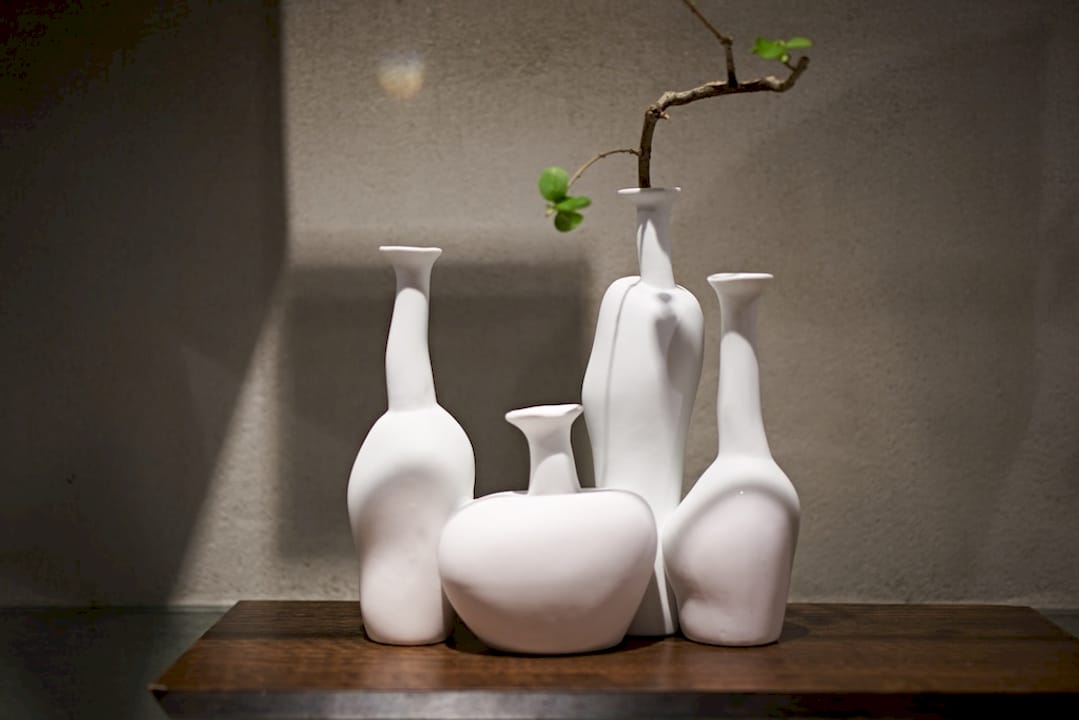
Eco friendly home decor means pieces made from reclaimed, recycled, or natural materials, finished without toxic solvents, and produced under fair labor conditions. The one rule that matters more than any other: buy fewer things, but buy them durable, repairable, and transparently sourced. A handcrafted porcelain vase from a maker like Myspinshop, built to outlast a decade of trends, does more for the planet than three trendy pieces bound for a landfill in two years.
TL;DR:
Buying durable, repairable, and transparently sourced objects reduces waste and extends the lifespan of home decor items.
Secondhand shops, estate sales, and small-batch artisans offer low-impact, style-conscious options that avoid new manufacturing.
Materials like MDF and virgin plastics often emit toxins or are non-recyclable, so certifications such as FSC, GOTS, and OEKO-TEX are crucial for authenticity.
Investing in furniture and textiles used daily saves money long-term, while thrift shopping and repairs prevent unnecessary waste.
Handcrafted porcelain and natural fibers like wool or jute provide longevity, biodegradability, and a timeless aesthetic over temporary trends.
Table of Contents
-
What’s the Real Environmental Footprint of Your Decor Choices?
-
A Personal Take on Craft, Sustainability, and What Actually Sticks
Sustainable Decor Ideas by Room (and by Budget)
Sustainable decorating isn’t about stripping your home down to bare wood and burlap. It’s about swapping mass-produced, short-lifespan items for pieces with real material integrity, whether they cost $18 at a flea market or $150 from an artisan. Editors who track this space consistently point out that quality sustainable decor spans every price point, with plenty of attractive accents available under $150.
Here’s how that plays out room by room:
-
Living room: Swap a synthetic throw blanket for one in undyed wool or organic cotton. Add a handcrafted ceramic vase as a coffee table anchor. A piece like a handbag-shaped ceramic vase does double duty as sculpture and function.
-
Dining area: Replace disposable centerpieces with reusable ceramic or bamboo serveware. A bamboo woven square plate works as a wall hang between meals, which stretches its use well past dinner service.
-
Bedroom: Linen or hemp bedding breathes better than synthetic blends and holds up to years of washing without breaking down into microplastic fibers.
-
Entryway: A reclaimed-wood console or a secondhand bench from a local estate sale gives a small space character without a single new tree cut down.
-
Bathroom: Swap plastic organizers for stoneware trays or ceramic soap dishes. These get wet daily, so material durability matters more here than almost anywhere else in the house.
-
Home office or reading nook: Tealight holders in eggshell porcelain add ambient light without the plastic housing that most mass-market candle accessories rely on. Styling ideas for tealight holders show how a few well-placed pieces can carry an entire shelf.
-
Wall art: Look for framed textile art, pressed botanicals, or ceramic wall reliefs instead of printed canvas wrapped around particle board.
-
Lighting: Rattan or paper pendant shades paired with LED bulbs cut both material waste and energy draw.
-
Rugs: Wool or jute rugs biodegrade at end of life; synthetic polypropylene rugs do not.
-
Ceramics collection: Building a small rotating set of handcrafted bowls and plates, rather than one big matched dinnerware set, lets you mix pieces from different makers and years without anything looking mismatched.
Sourcing matters as much as the material itself. Secondhand shops, estate sales, and local craft fairs are consistently the lowest-impact option when the piece already exists, since nothing new gets manufactured to fill your shelf. When you do buy new, small-batch makers and curated marketplaces tend to disclose materials and production methods more openly than big-box retailers. If you want a broader sense of where affordable, style-forward options land price-wise, comparing eco-conscious alternatives to mainstream decor retailers is a useful gut check before you buy.
Recycled glass and metal fixtures deserve a specific mention. Editorial roundups on sustainable materials highlight them as widely available, genuinely modern-looking, and made from material that would otherwise sit in a recycling stream indefinitely. A recycled-glass pendant light or a set of hammered-metal candle sconces gives you the industrial-chic look without the virgin-material footprint.
If your home leans toward a specific cultural aesthetic, layering in pieces with real craft heritage adds depth that mass production can’t replicate. High-impact styling ideas rooted in Asian design traditions show how a handful of intentional pieces, porcelain among them, can carry a room’s entire visual story.
What Materials Should You Avoid in Sustainable Decor?
Not every product labeled “natural” or “eco” actually is. The biggest offender hiding in plain sight is MDF, also called particle board, which is often bonded with formaldehyde-based adhesives and covered in a solvent-based finish. Health-focused decor editors specifically flag off-gassing from MDF and particle board as one of the more common toxicity risks in ordinary home decor, right alongside vague marketing language that never names an actual material.
Watch for these red flags on a product page:
-
No material breakdown listed anywhere, just words like “eco” or “natural” with nothing to back it up
-
“Solid wood look” or “wood-style” phrasing, which usually means laminate over particle board
-
Glossy synthetic coatings on what’s marketed as a natural-fiber textile
-
Plastic components hidden inside a product that photographs as all-wood or all-ceramic
-
Any finish described only as “sealed” or “treated” with no chemical name given
Real certifications carry more weight than marketing copy. GOTS (Global Organic Textile Standard) covers organic fiber content and processing chemicals in textiles. FSC (Forest Stewardship Council) certifies that wood came from responsibly managed forests. OEKO-TEX screens finished textile products for harmful substances. Fair Trade certification addresses labor conditions and wages rather than materials, which matters just as much for genuinely ethical decor.
The Sustainable Furnishings Council publishes a set of buyer questions worth keeping on hand before you check out. Ask any seller:
-
What exact material is this made from, down to the finish or coating?
-
Where was it manufactured, and under what labor conditions?
-
Is there third-party certification, or just a self-applied “eco” label?
-
Will replacement parts or repairs be available if something breaks?
-
What happens to this item at the end of its life, can it be recycled or composted?
Pro Tip: If a seller can’t answer where a material was sourced within one email reply, that’s usually a sign the supply chain itself is murky, not just the marketing.
How Do You Shop Sustainably Without Overspending?
Sustainable decor doesn’t require a bigger budget, just a smarter allocation of the one you already have. The trick is deciding upfront what deserves investment money and what doesn’t.
-
Invest in what you touch daily. Bedding, seating, and dinnerware get the most wear, so spend more here on materials that hold up: solid wood, wool, linen, or fired ceramic.
-
Save on what you’ll swap seasonally. Throw pillows, table runners, and small accent pieces can come from thrift stores or swap groups since they change often anyway.
-
Hit local craft fairs before big online marketplaces. You’ll often find handmade ceramics and textiles at prices comparable to mass retail, minus the shipping footprint.
-
Join a local swap or “buy nothing” group. Decor churn is constant in most neighborhoods; someone nearby is likely getting rid of exactly what you’re hunting for.
-
Learn basic repairs before replacing. A wobbly chair leg, a loose seam, or a chipped ceramic edge often costs under $20 to fix and saves the item from a landfill trip.
-
Upcycle before you buy new. An old dresser gets new life with a coat of low-VOC paint; a plain glass jar becomes a vase with nothing more than a ribbon.
Before a room refresh, run a quick checklist: What’s actually broken versus just outdated? Can it be repaired, reupholstered, or repainted? Is there a secondhand version available locally? Only after answering those does a new purchase make sense, and when it does, affordable sustainable alternatives to popular retail decor are worth a look before defaulting to fast-furniture chains.
Why Sage Green Anchors a Sustainable Color Palette
Sage green has become the go-to shade for eco-minded interiors, and it’s not just a passing trend. Color experts note that sage’s muted, gray-green undertone pairs naturally with raw materials like unfinished wood, rattan, and stoneware in a way that brighter greens simply don’t.
Four styling recipes that use it well:
-
Living room anchor: Sage green throw pillows against a jute rug and a walnut side table, with one ceramic piece in cream to break up the palette.
-
Bedroom calm: A sage accent wall behind linen bedding in oatmeal tones, finished with a single rattan pendant light overhead.
-
Kitchen open shelving: Sage-glazed ceramic bowls stacked next to plain wood cutting boards, letting the glaze do the color work instead of paint.
-
Entryway welcome: A sage green vase, like a handcrafted porcelain option, paired with dried botanicals and a woven basket underneath.
Keep the ratio simple: one dominant natural texture, one accent color, and no more than two material types in a single vignette. Overloading a shelf with five different finishes reads as clutter, not curation, even if every piece on it is sustainably made.
Caring for Sustainable Decor So It Lasts
The most sustainable decor decision you can make is keeping what you already own in good condition for longer. Different materials need different handling:
-
Ceramics and porcelain: Hand wash instead of dishwasher cycles to protect glazes; a hairline crack can often be stabilized with food-safe epoxy rather than tossed.
-
Linen and cotton textiles: Wash on cold, skip the dryer’s high heat, and they’ll outlast synthetic blends by years.
-
Wool rugs and throws: Air out regularly and spot clean; wool naturally resists odor and staining better than synthetic fiber.
-
Reclaimed wood: Oil finishes yearly with a food-safe or natural oil to prevent drying and cracking at the joints.
-
Metal fixtures: Wipe with a dry cloth; avoid abrasive cleaners that strip protective patinas.
When something breaks, ask whether reupholstering, regluing, or refinishing is realistic before buying a replacement. Most cities have textile recyclers or donation centers, Goodwill and Habitat for Humanity ReStore locations among the most common, that accept usable furniture and decor. For genuinely non-repairable ceramic or glass, check your municipal recycling guidelines since many curbside programs don’t accept broken glazed ceramics; some local art centers will take shards for mosaic projects instead.
Pro Tip: Keep a small tube of food-safe ceramic epoxy in a kitchen drawer. It turns a chipped mug from trash into a five-minute fix.
Why Handcrafted Porcelain Holds Up as a Sustainable Choice
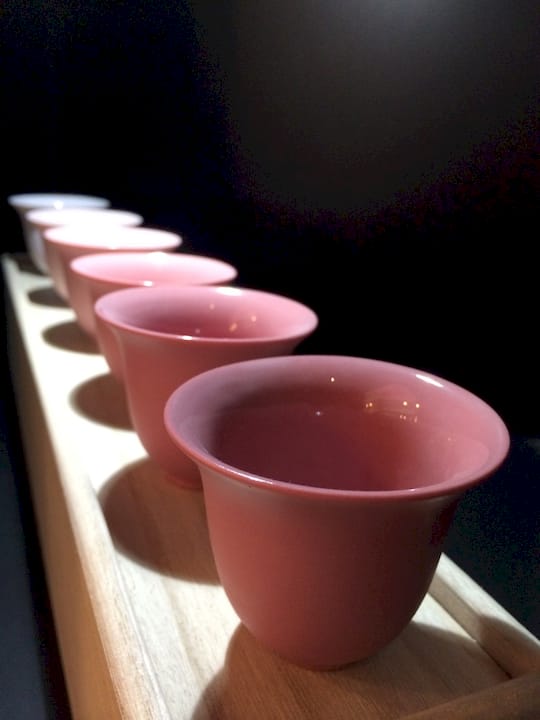
Porcelain earns its sustainability credentials through sheer longevity. A well-fired piece resists chipping, doesn’t leach chemicals, and can survive generations of use if handled with basic care, something almost no plastic or MDF product can claim. Small-batch production compounds that advantage: when a workshop makes a few hundred pieces a year instead of a few hundred thousand, there’s no overproduction sitting in a warehouse destined for clearance and eventual disposal.
Myspinshop’s approach reflects that model directly:
-
Each piece is designed in-house and hand-produced using traditional Chinese porcelain techniques rather than mass casting.
-
Small-batch runs mean lower material waste and less unsold inventory than factory-scale production.
-
Pieces are built to be functional heirlooms, tealight holders and vases meant for years of daily use, not seasonal replacement.
Porcelain earns its place when you want a focal piece that won’t need replacing in two years, a vase, an incense burner, a set of tealight holders that anchor a shelf. Pair it with the sage green and natural-texture recipes above, and it becomes the one polished element in an otherwise raw, textured room.
What’s the Real Environmental Footprint of Your Decor Choices?
Every decor item carries a life cycle: raw material extraction, manufacturing, transport, years of use, and eventual disposal. The materials with the lowest footprint are the ones that skip the manufacturing step entirely, secondhand furniture, vintage textiles, items already in circulation. New production always carries some cost, but that cost varies enormously by material and process.
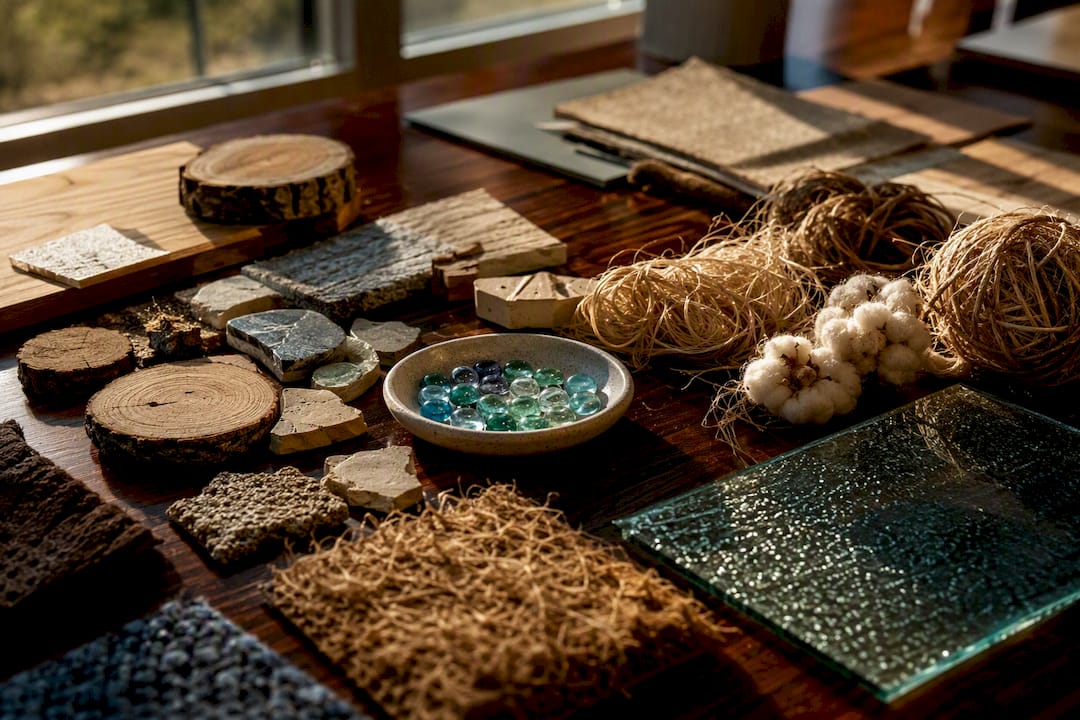
A cheap synthetic rug made from virgin polypropylene draws on fossil fuel feedstock, sheds microplastics during its short life, and typically ends up in a landfill within a few years since it can’t be recycled through standard programs. A wool rug, by contrast, comes from a renewable natural fiber and biodegrades completely at end of life. The gap isn’t just about the material itself, it’s about what happens after the item leaves your home.
Ceramics and porcelain sit in an interesting middle ground. Firing clay is energy-intensive, but a fired piece can last decades or centuries with basic care, which spreads that upfront energy cost across an extremely long useful life. A mass-produced plastic decor item, even one requiring less energy to manufacture, often gets discarded within a year or two, meaning its energy cost per year of actual use can be far higher than a durable ceramic piece’s.
The practical takeaway: durability and lifespan matter as much as the raw material itself when you’re weighing environmental impact. A cheaply made “sustainable” item that falls apart in a year isn’t actually the lower-impact choice.
A Personal Take on Craft, Sustainability, and What Actually Sticks
The decor that survives a decade in someone’s home is rarely the trendiest piece; it’s the one with a story attached, the vase from a maker whose hands you can picture shaping it. That emotional attachment isn’t sentimental fluff, it’s the actual mechanism behind sustainability: people don’t discard things they feel connected to. Start small. Replace one disposable item this month with one piece built to outlast it.
— Alan
Bring Handcrafted Porcelain Into Your Sustainable Home
Myspinshop is the practical alternative to fast-furniture decor bins for anyone who wants pieces built to last rather than replaced next season. Every item is designed in-house and hand-produced using traditional Chinese porcelain techniques, made in small batches that avoid the overproduction and warehouse waste common to mass-market decor.
Two situations where this fits especially well: gifting someone a meaningful, one-of-a-kind piece instead of another disposable trinket, and anchoring a living room shelf with a vase or tealight holder that actually holds up to daily use for years. If you’re ready to add a durable, transparently made accent to your space, visit the Myspinshop storefront and browse the current collection of handcrafted vases, tealight holders, and porcelain accents.
Where to Learn More About Sustainable Decor
-
The Good Trade’s sustainable brand roundup tracks quality options across price points.
-
Healthier Homes’ decor guide explains material and finish risks in plain terms.
-
Better Homes & Gardens covers sage green styling in depth.
-
Wallfully’s eco-friendly decor tips add quick, practical buyer moves.