
Keep Tradition Alive: Cultural Gift Ideas for U.S. Buyers

The best cultural gift ideas are handcrafted pieces with a documented maker story: think porcelain vases and tealight holders, hand-woven textiles, hammered metalwork, and silk scarves tied to a named regional technique. MySpinShop is one source for porcelain items rooted in traditional Chinese techniques for anyone who wants a gift with cultural significance.
TL;DR:
- Handcrafted porcelain and ceramics from recognized techniques, like Jingdezhen porcelain, typically cost more but ensure authenticity and cultural significance.
- Verify provenance by checking if the listing names the artisan, describes specific techniques, and provides clear material information to avoid mass-produced imitations.
- Shipping fragile, handcrafted items internationally requires detailed customs descriptions, sturdy packaging, and insured, trackable services to prevent delays or damage.
- Budget for unique, artisan-made gifts based on complexity, with fair pay pushing prices above factory-made equivalents, and avoid suspiciously low-priced options.
- Expect longer lead times for sourcing, ordering, and shipping handmade pieces, especially for custom or limited-edition items, to meet specific occasion deadlines.
Table of Contents
- Handcrafted gift ideas by recipient and occasion
- How do you choose an authentic, ethically made cultural gift?
- Where to buy cultural gifts you can trust
- MySpinShop spotlight: handcrafted porcelain that tells a story
- Shipping cultural gifts from the U.S. without losing them to customs
- What should you budget for a meaningful cultural gift?
- How long does buying and shipping a cultural gift actually take?
- Why provenance should matter more than price
- Bring home a piece of porcelain heritage from MySpinShop
- Sources
- FAQ
Handcrafted gift ideas by recipient and occasion
Matching the gift to the person matters more than matching it to a trend. A few starting points make the search faster.
For a host or someone moving into a new home, handmade serving bowls, woven baskets, and hammered copperware carry both function and story. These are gifts people actually use, which means the maker’s technique gets appreciated every time the item comes out of the cabinet. Home décor pieces work well for the same reason: porcelain vases and tealight holders, wall-hung textiles, and carved wooden objects sit in view year round, turning a living room into a quiet showcase of craftsmanship rather than a warehouse of mass-produced filler.

Personal gifts ask for something closer to the recipient’s own taste. Hand-dyed silk headscarves, hand-stitched jewelry, or a small copper dish all read as thoughtful without feeling generic, especially when the seller can name the region and technique behind the piece. For kids, artisan-made toys, simple musical instruments, or crafts tied to a folk story turn a gift into a small lesson, something a mass-market toy rarely manages. Collectors want a different signal entirely: limited-edition series, numbered runs, or pieces that arrive with a signed maker’s note tend to hold more meaning and more resale interest than an unmarked equivalent.
A short list of categories worth scanning first:
- Textiles: hand-loomed scarves, table runners, and wall hangings, often tied to a named regional weaving tradition.
- Ceramics: porcelain vases, tealight holders, bowls, and cups, shaped and glazed by hand rather than cast in a mold.
- Metalwork: hammered copper trays, bowls, or candleholders, frequently made using techniques passed down within a single family workshop.
- Jewelry: hand-stitched or hand-forged pieces that use regional materials and motifs rather than generic charms.
- Woven goods: baskets, mats, and storage pieces built from natural fiber techniques specific to a maker’s community.
Pro Tip: When two gifts seem equally nice, pick the one whose listing names the maker or workshop by name. That detail alone is usually the clearest sign you’re buying something real.
How do you choose an authentic, ethically made cultural gift?
Authenticity is checkable if you know what to look for. Run any listing through a short mental checklist before you buy.
- Maker provenance: does the listing name the artisan, workshop, or cooperative, not just a country or region?
- Documented technique: is the production method described specifically (hand-thrown, hand-loomed, hammered) rather than left vague?
- Material transparency: does the seller state exactly what the item is made from, including finishes or dyes?
- Fair pay or affiliation: is there any mention of a fair-trade program, cooperative membership, or artisan initiative?
- Visible maker or studio photos: can you see the person or workshop behind the item, rather than only the finished product on a white background?
Watch for the opposite signals too. Vague “ethnic” or “tribal” labeling with no country, region, or technique named is a warning sign, as is a listing full of identical batch photos that suggest factory output rather than individual handwork. Unnamed materials (“fabric,” “metal”) and prices that sit noticeably below what a handmade item of that complexity should cost both point toward a mass-produced substitute wearing a cultural gift’s packaging.
The Smithsonian Artisan Initiative works directly with artisans on market access, training, and passing skills between generations, which is exactly the kind of transparent, capacity-building relationship that separates a real cultural gift from a souvenir-shop knockoff. If a seller cannot answer a direct question like “who made this and where,” or gives a different answer each time you ask, that is reason enough to look elsewhere.
Where to buy cultural gifts you can trust
Three channels consistently deliver on provenance, and each suits a different kind of shopper.
Direct-artist shops and studio websites put you closest to the source. You can usually message the maker directly, ask about technique, and get a straight answer about materials and turnaround. Curated retailers and museum marketplaces add a layer of vetting on top of that: the Smithsonian Folklife Festival Marketplace connects shoppers with makers while supporting fair pay and sustainable production, and often partners with impact retailers to widen artisans’ market access. In-person festival marketplaces and craft fairs offer something neither online channel can: you handle the piece, ask questions on the spot, and sometimes meet the maker face to face.
A short vetting routine works across all three:
- Read seller reviews for repeated mentions of quality, packaging, or accurate descriptions.
- Ask for a short maker bio or workshop description if the listing does not already include one.
- Check the return and shipping policy before buying anything fragile or expensive.
- Compare a few listings in the same category so you know what a fair price range looks like.
For shoppers who want a broader set of vetted options beyond the big marketplaces, a checklist for inclusive art gifting offers practical criteria that apply just as well to craft objects as to art.
MySpinShop spotlight: handcrafted porcelain that tells a story
Porcelain is one of the clearest examples of craft-as-culture, and MySpinShop builds its entire collection around it. The lineup includes eggshell porcelain tealight holders, vases, bowls, cups, incense burners, and limited-edition kitchenware, designed and hand-produced with attention to artistic quality, using traditional techniques from Jingdezhen’s porcelain heritage.
The brand integrates eco-friendly practices with traditional methods, combining traditional techniques with contemporary design aesthetics.
A few practical notes for picking a piece as a gift:
- For a housewarming or dinner host, a hand-thrown bowl or a set of cups reads as both useful and personal.
- For someone who loves ambient lighting, an eggshell porcelain tealight holder makes a strong, low-cost entry point into the category.
- For a milestone gift, a vase from the vase collection gives more visual presence and a longer shelf life on display.
Pro Tip: Hand-wash porcelain gifts and avoid sudden temperature changes, since eggshell-thin pieces are more prone to cracking under heat shock than heavier ceramics.
Shipping cultural gifts from the U.S. without losing them to customs
Fragile handcrafted items need more care in transit than most gifts, and getting the paperwork wrong can delay or even block delivery. USPS requires accurate, computer-generated customs descriptions for international parcels, and each service has its own weight and value limits, so a vague description or the wrong service choice raises the odds of a hold at customs.
A few habits reduce the risk:
- Be specific in the customs form: write “handcrafted porcelain tealight holder, ceramic, fragile” rather than just “gift” or “ceramic item.”
- Choose the service by need: pick a trackable, insurable option when the item’s value or fragility justifies it, and check the value cap before selecting a lower-cost service.
- Pad generously: double-box fragile ceramics with several inches of cushioning between the inner and outer box.
- Add insurance and signature confirmation for anything expensive or irreplaceable, since a broken or lost artisan piece is rarely easy to replace with an identical one.
What should you budget for a meaningful cultural gift?
Handcrafted cultural gifts span a wide range, and price mostly tracks the complexity of the technique and the time a maker puts into a single piece. A small hand-stitched item or a single eggshell porcelain tealight holder sits at the low end of the category, while a large hand-thrown vase, a signed limited-edition piece, or an intricately woven textile commands more because of the hours involved and the skill required to execute it without machine assistance.
A useful rule of thumb: if a price seems unusually low for something described as fully handmade, it probably is not. Fair pay for artisan labor tends to push handmade goods above the price of their factory-made equivalents, and that gap is part of what you are actually paying for. Setting a budget range before you start browsing, rather than chasing the cheapest listing in a category, makes it easier to hold out for a piece with real provenance instead of settling for a look-alike. Gift sets or multi-piece collections, such as a cup paired with a small bowl, often cost more in total than a single item but can make more sense for a host or housewarming occasion where variety matters more than a single showpiece.
How long does buying and shipping a cultural gift actually take?
Plan for more lead time than a typical online order. Sourcing the right piece, whether from a studio site, a curated marketplace, or a festival vendor, usually takes longer than browsing a big-box retailer because you are often reading maker bios, comparing techniques, and sometimes messaging a seller directly with questions before you commit.
Once you order, production time varies by category. Made-to-order or limited-run pieces can take longer to ship than in-stock items, since some artisans build to order rather than holding large finished inventory. Domestic shipping within the U.S. is usually the fastest leg of the process, while a piece shipped internationally from overseas requires customs clearance in addition to transit time, which is where accurate paperwork matters most. Building in extra time before a birthday, wedding, or holiday deadline, rather than ordering at the last minute, avoids the scramble that comes with rushing a fragile, handmade item through the mail.

Why provenance should matter more than price
I think most people default to whatever looks nice in a thumbnail, and that habit is exactly how mass-produced imitations end up passing as cultural gifts. A little friction, asking who made something and how, is a small price for keeping a real tradition alive instead of a copy of one.
— Alan
Bring home a piece of porcelain heritage from MySpinShop
If the categories above have you leaning toward porcelain, MySpinShop’s collection is built exactly for that. Every tealight holder, vase, bowl, and cup is designed in-house and hand-produced in limited quantities, using techniques rooted in Jingdezhen’s porcelain heritage alongside a more contemporary look and eco-friendly practices.
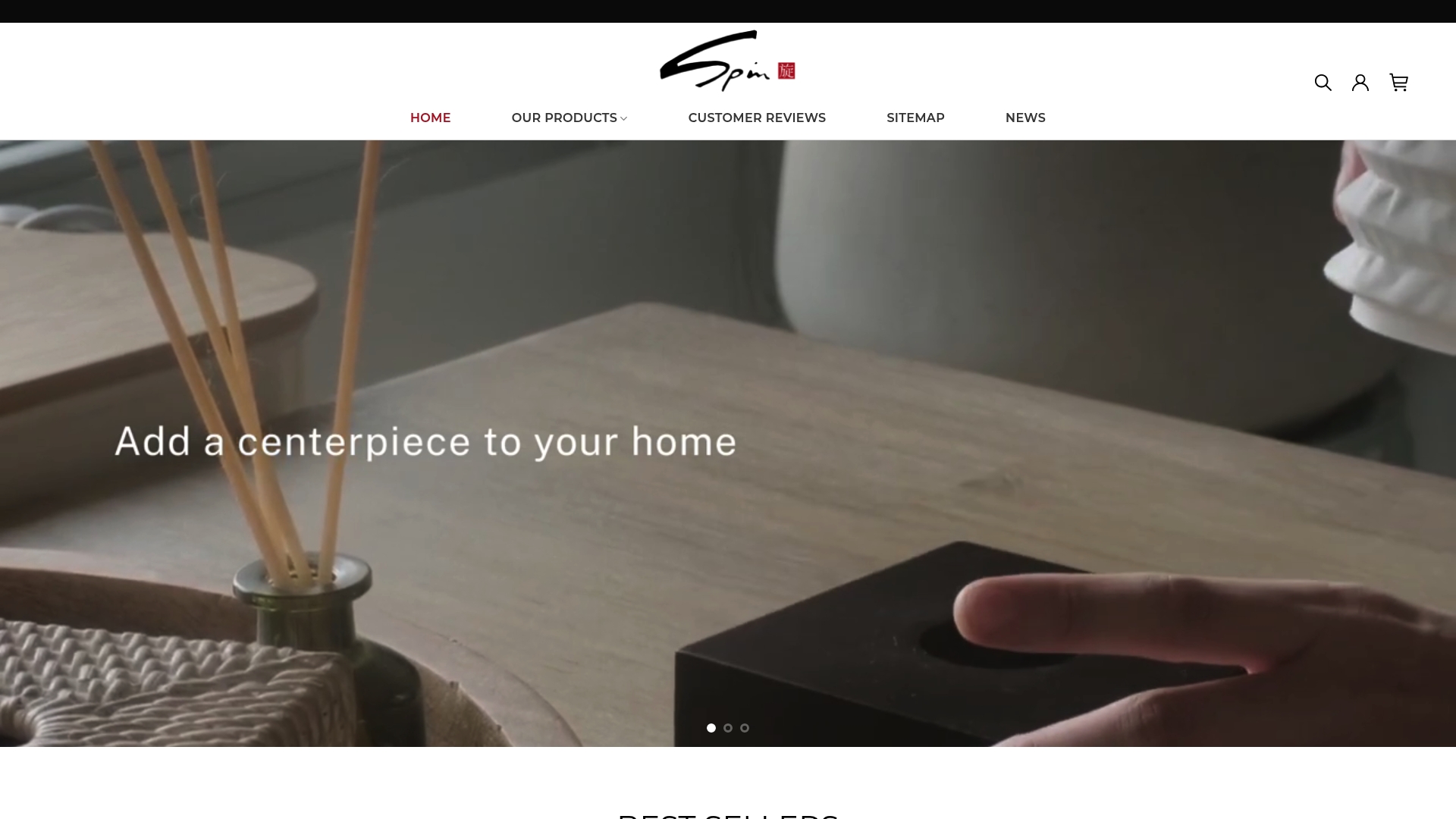
- Tealight holders: eggshell porcelain pieces suitable as gifts for those who appreciate ambient lighting.
- Vases: decorative pieces appropriate for occasions like housewarmings or weddings.
- Bowls and cups: functional items with hand-decorated detail.
Browse the full tealight holder collection or the vase collection to find a piece that fits the person you’re buying for.
Sources
- Souk Stories: The Mission of the Folklife Festival Marketplace | Smithsonian Folklife Festival
- Smithsonian Artisan Initiative | Smithsonian Center for Folklife and Cultural Heritage
- Preparing international shipments | USPS
FAQ
What are the best gifts to bring from the USA?
Handcrafted American goods with a clear regional or maker story travel well as gifts, including artisan ceramics, hand-woven textiles, and small-batch food items tied to a specific region. Pieces that name the maker or studio tend to feel more meaningful than generic souvenir items.
What are some unique gifts made in the USA?
Hand-thrown porcelain and ceramic pieces, like the tealight holders, vases, and bowls made by MySpinShop, are a strong option since each piece is designed in-house and hand-produced rather than mass-manufactured. Hand-forged jewelry and small-batch textiles from independent studios offer a similar level of craftsmanship.
What are some good gift ideas for sending to the USA?
Choose a trackable, insurable shipping service for anything fragile or valuable, and write a specific customs description that names the material and function, following USPS guidance for international shipments. Pack ceramics and other breakables with generous padding and consider signature confirmation on delivery.
What are some good gift ideas for the USA?
Look for handcrafted items with documented provenance, such as hand-thrown ceramics, woven textiles, or hammered metalwork, rather than mass-produced décor with vague “ethnic” labeling. A piece that names its maker or workshop, like the porcelain pieces from MySpinShop, usually signals a more meaningful and better-made gift.